
We understand that this page has a lot of text. We take an unconventional approach to classes, so if you’re interested in reading more about it, keep reading. However, if you just want to jump into improv and are looking for a gentle onramp to get started, check out our pay-what-you-want Intro to Improv workshop by clicking that button ->
Upcoming Workshops This Week
Can’t learning improv be like exercising?
That’s the question Fort Wayne Improv is answering. To me, learning how to improvise is like learning yoga. Yogis generally try to get better at yoga because it makes them feel good. There’s no goal of a particular angle of bend they want to achieve. There’s not necessarily an end goal to practicing yoga for most of them. They do it for the journey.

I’ve spent decades in academic institutions as both a student and a teacher. I used to teach high school science a long time ago. A traditional academic model worked for teaching science, because the water cycle is a thing that can be taught. It isn’t going to change based on a student’s experience of the water cycle. There aren’t interpretations of the water cycle, and you can probably learn the water cycle in a traditional way. Improv isn’t like that. A student’s personal experience with improv influences how they learn it, and it continually evolves and grows as the student does the same.
I have said the following statement hundreds of times teaching improv: “I could lecture you for 1,000 hours about all of my improv experiences and how I handled them, but it won’t be helpful to you because you won’t have those exact experiences.” For that reason, learning improv doesn’t fit the academic model.

I’ve spent years and years developing countless iterations of improv curricula that I wasn’t completely happy with. I realized it was because I was trying to fit improv into a standard academic model. Levels of classes that follow a schedule, usually between four and eight weeks. But what happens to students when they’re finished with the curriculum and they still want to keep practicing improv? What about the students who are there for the journey and the joy of playing adult make-believe? What about those just wanting to be a member of the community?
I didn’t have an answer to those questions other than to send students to a different school or encourage them to go to improv jams. I also realized after hosting many jams that with guidance, it’s not terribly difficult to jump in and start performing improv. And then I read the excellent book, How We Learn. I was particularly fascinated not only by the author’s explanation of why I might have been a chaotic studier in college, but also by how effective the educational strategy of pretesting is. I got a little obsessed with the idea that I was hand-holding improv students a bit too much with classes structured like a traditional curriculum. I decided it would be more beneficial to those students to get thrown into the deep end more quickly (or at least at their own pace). So, I structured our classes in a more experiential way. Our classes more closely resemble practicing in a gym or yoga/fitness studio than learning in a classroom.
Some of Our Workshops
We have RECOMMENDED levels to our workshops, but if you’re interested in taking an advanced workshop and you’re new to improv, don’t let the level dissuade you for two reasons:
- If I were to sign up for an advanced yoga class today, I couldn’t keep up. I’d be a sweaty, inflexible mess. However, I’d absolutely learn something from the class, and I’d see where I could be, which is a great motivator.
- Improv isn’t like sports. In sports, playing against competition beneath your level doesn’t really help you. You get better as an athlete by playing against competitors at a higher level than you. In improv, that’s not the case. You will learn something from playing with people at your level, above your level, and below your level. Repetitions are the key in improv.
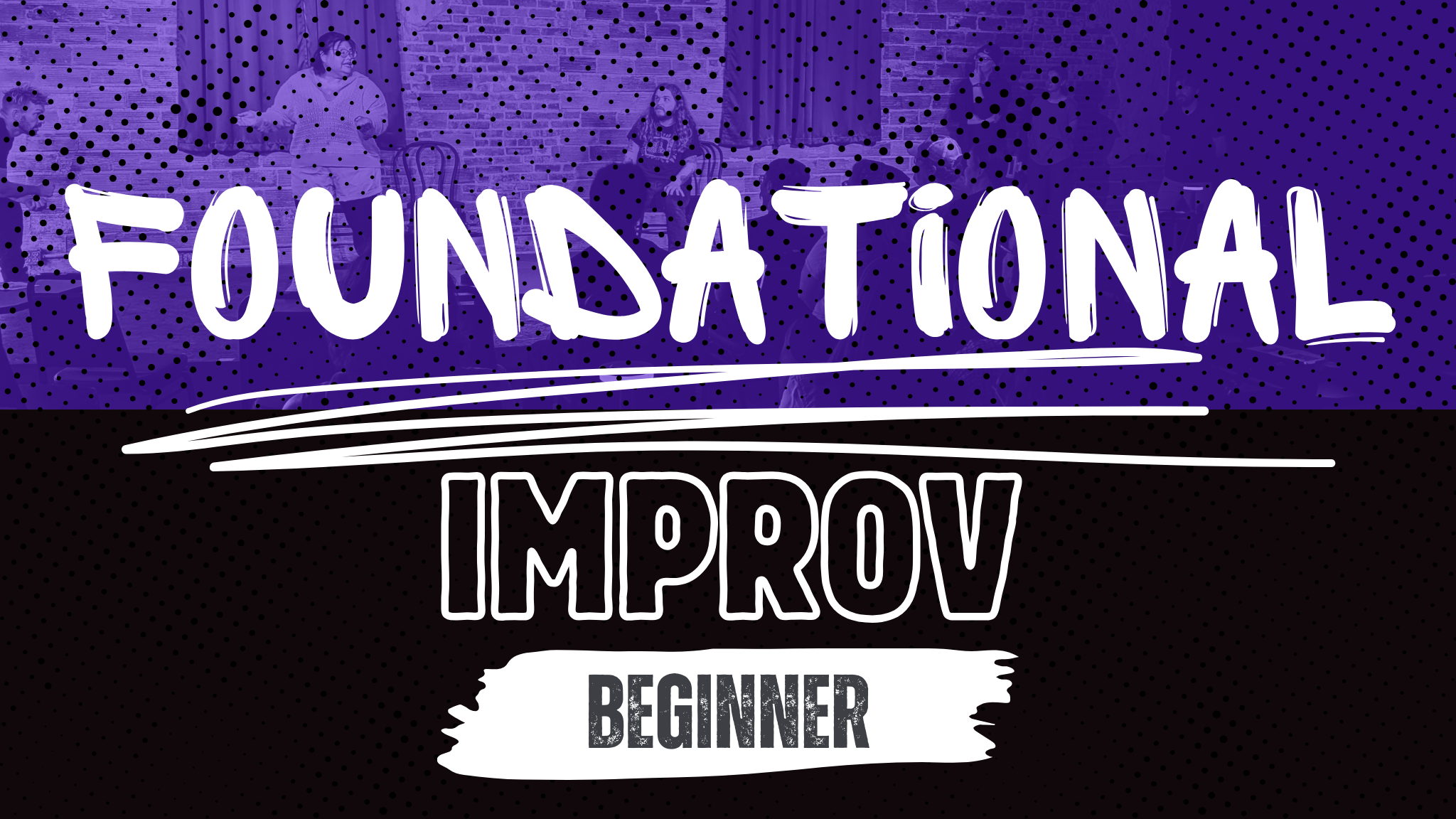
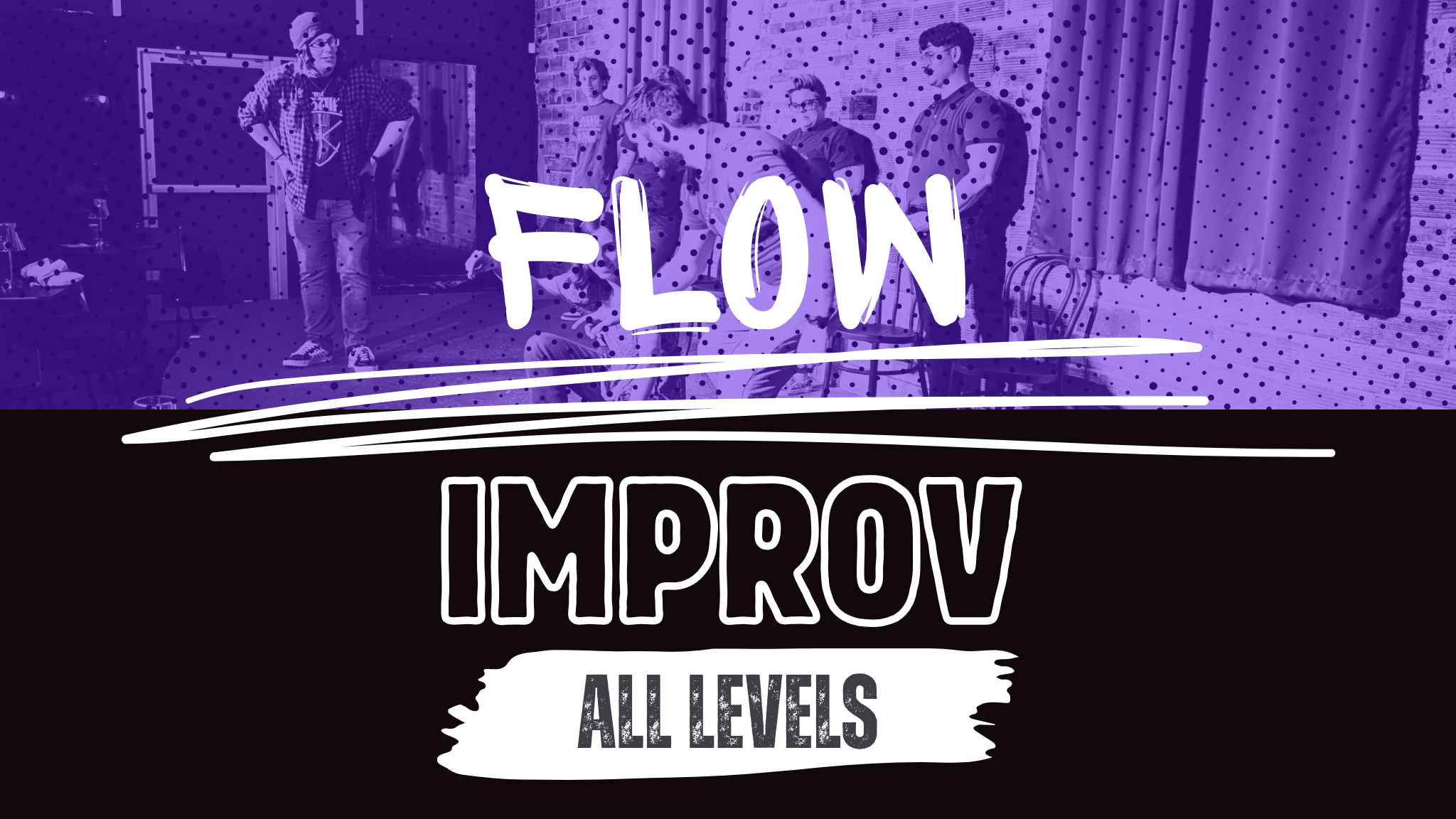
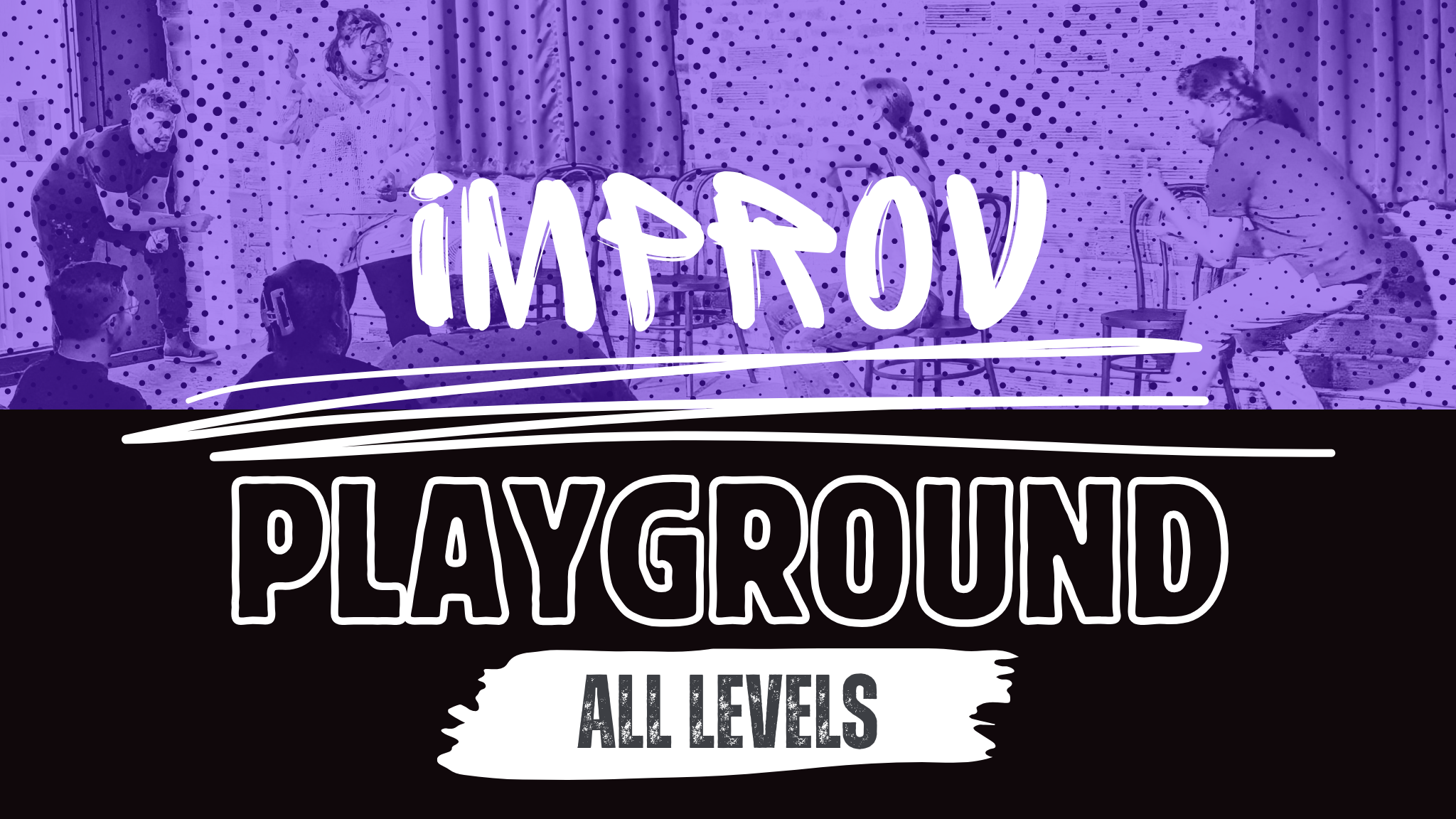
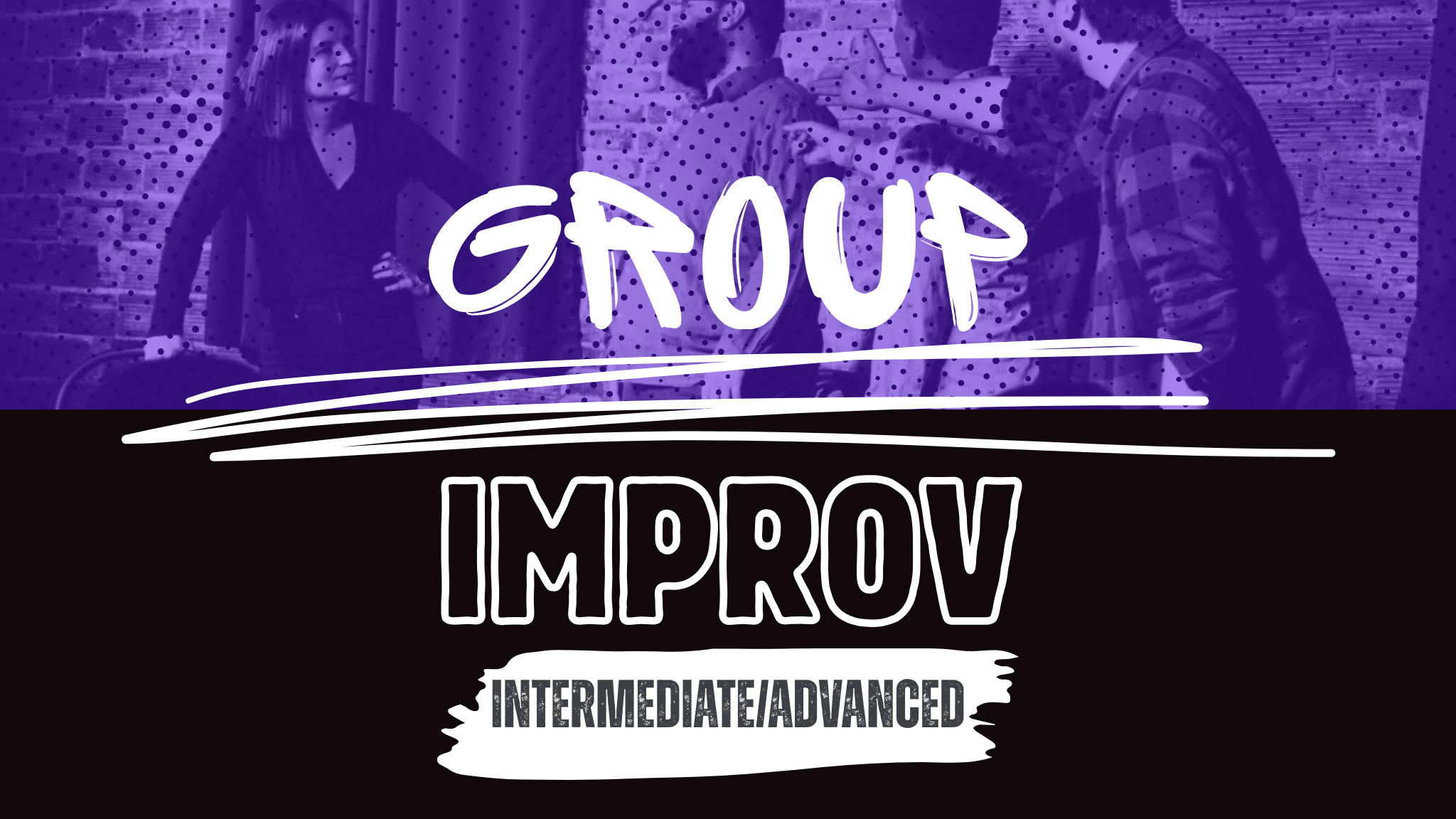
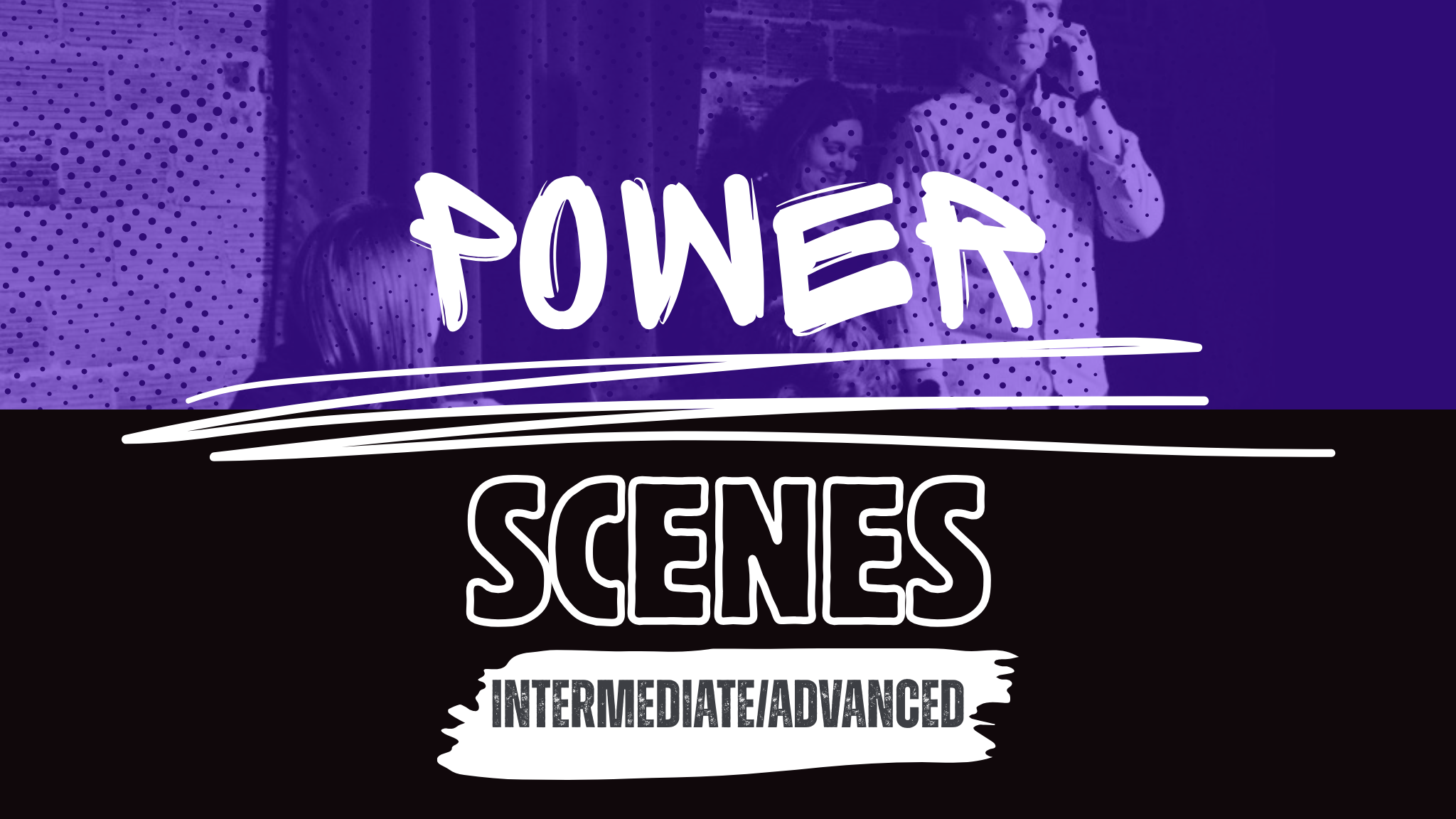
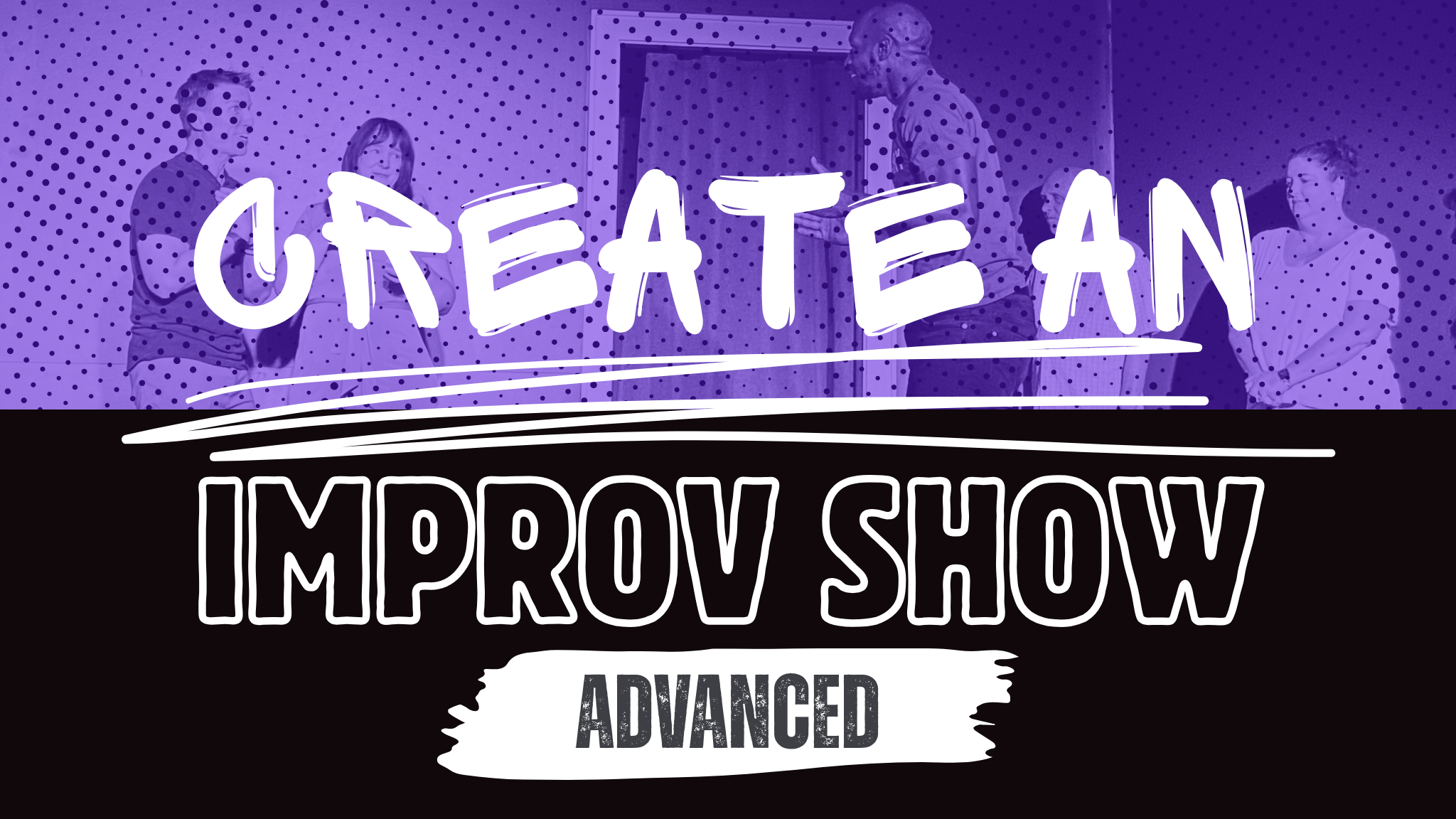
Here’s why Fort Wayne Improv’s classes work:
- There’s less of a commitment of time and money required from you, as you can just drop in to any class that’s on the schedule.
- You can IMMEDIATELY start taking classes instead of waiting for a new block of classes to start.
- Only you really know why you came to improv and what you want to get out of improv. Some folks want to increase their social IQ. Great. This structure is perfect for that. Some folks want to meet fun new people. Great. This structure is perfect for that. Some folks struggle with social anxiety. Great. This structure is perfect for that. Some folks want to get better at improv with their sights on performing onstage. Great. This structure is perfect for that.
- Our classes are drop ins, so you can take them at your pace on your schedule. If you want to take eight classes in a month, great. If you want to take one, great. If you want to take two classes one month and five the next month, great.
- It operates more like the proven educational strategy of pretesting, which we think fits improv almost perfectly.
- You get to meet and improvise with a variety of people in the community instead of being stuck with the same group for multiple weeks.
- There’s less of a “one size fits all” feel to our classes, as we encourage you to make your own path.
- Like a yoga studio, we have recommended levels of classes: beginner, intermediate, and advanced. If you’ve never taken improv before, you can certainly try to take an advanced class, but we recommend finding an appropriate level for you.
- There’s not an “ending” to our classes, where you’re spat back out into the world with no ability to continue engaging with improv or the theater.
- Unlike with most sports, you can learn a lot from improvising with other people both above AND below your skill level, so it’s valuable to have a variety of experience levels in a class.
- If you’re interested in performing, we structure our performance workshop so that you’re able to get coached before and after your performances so that you can make adjustments and learn in a more experiential way.
- Because this is a departure from the way a lot of improv schools handle classes, if you prefer a more traditional improv learning model, we DO still offer intensive, traditional intro to improv workshops a couple times a year.
Workshops happen weekly, so start when and where you can. Our workshops have levels from BEGINNER to ADVANCED to give you an idea of the difficulty levels of the exercises we’re doing. However, the workshops are modular, so you can start anywhere you’d like. For the same reason I probably would start with a BEGINNER yoga class, that’s probably your wisest entry point.
Yep! There are a couple of different ways to perform. We have a Create an Improv Show workshop, that we love. You basically get an hour workshop that leads right into an improv show that you’ll perform in!
Yep! If you don’t think you’re ready to jump in (you are; we got you) and want a more structured intro class, once a month we offer a Pay-What-You-Want intro workshop for folks who want to learn in a more traditional environment.